

Bubbles forming after applying PVC decorative film can indeed be frustrating. This issue is often related to multiple factors such as the adhesive, temperature and pressure control, substrate preparation, and application techniques. The table below summarizes common causes and solutions to help you quickly grasp the key points.
Type/Phenomenon of Bubbles | Main Causes | Solution Direction |
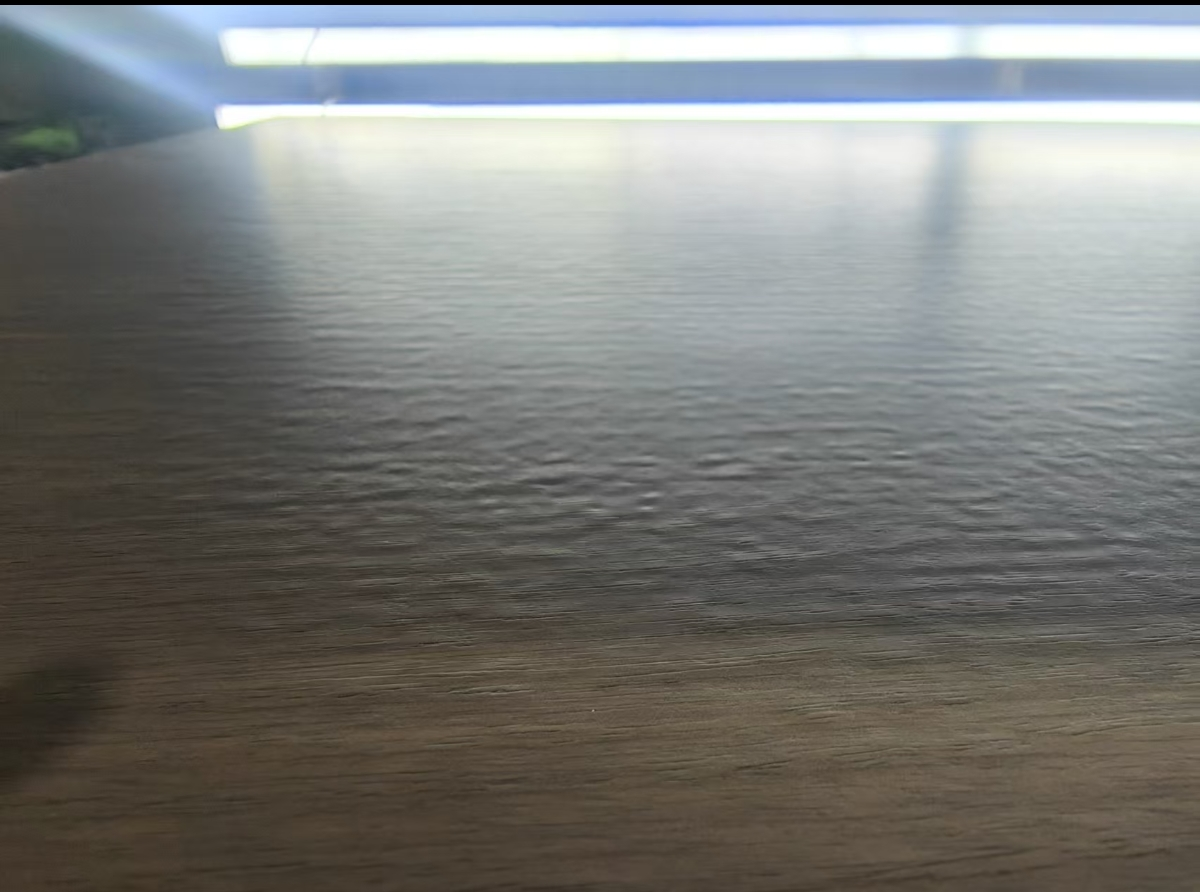
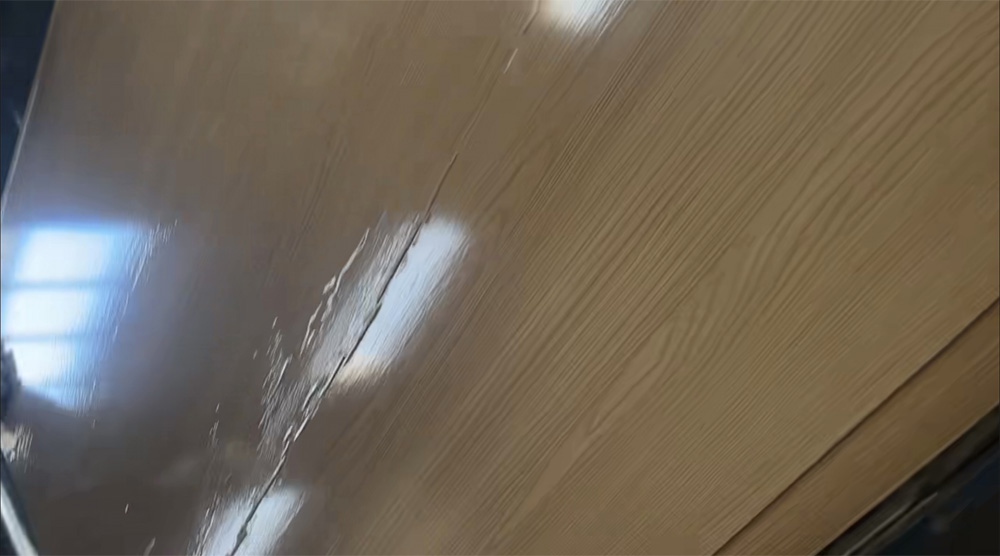
Groove/Localized Bubbling | Insufficient temperature or pressure ("false adhesion"), uneven adhesive spray, poor heat resistance of the adhesive, migration of plasticizers in the PVC film. | Adjust temperature/pressure, apply adhesive evenly, use heat-resistant adhesive and high-quality film. |
Dense Small Bubbles | Adhesive too thick (corroding the film), contaminants on the substrate surface, or glue penetration from the board. | Adjust adhesive viscosity and coating amount, clean the substrate, use high-quality boards. |
Bubbling After Cooling or Standing | Pressure released before full cooling, adhesive not fully cured, changes in ambient temperature. | Ensure complete cooling (to room temperature), allow sufficient curing time, avoid high-temperature environments. |
Targeted Solutions and Key Operational Points
Understanding the causes is key to targeted adjustments in materials and processes.
Optimize Adhesive Selection and Application
Choose the Right Adhesive: Prioritize specialized high-molecular-weight, heat-resistant adhesives for coating. If the adhesive itself lacks sufficient heat resistance, consider adding a matching hardener in proportion to enhance its performance.
Control Application Amount and Uniformity: Use appropriate spraying equipment to ensure the adhesive is applied evenly, avoiding areas that are too thick or too thin. Excessively thick adhesive can corrode the film and cause bubbles, while insufficient adhesive leads to poor adhesion.
Precisely Control Application Parameters
Temperature and Time: Appropriately increase the preheating time (to soften the PVC film), making it more pliable for stretching and conforming to complex shapes. Ensure sufficient vacuum forming time allows the film to fully adhere to the substrate under pressure and heat. After application, it is crucial to wait until the temperature has cooled to room temperature or slightly above before releasing the pressure or vacuum. This prevents the film from retracting and bubbling due to internal stress.
Vacuum Degree and Pressure: Check equipment seals to ensure the required vacuum level is achieved, allowing atmospheric pressure to evenly press the film onto the substrate.
Ensure Proper Substrate and Film Handling
Substrate Cleaning and Selection: Before application, thoroughly clean the substrate surface to ensure it is free of dust, oil, moisture, and other contaminants. For boards prone to glue penetration, choose high-quality products or apply a sealing treatment.
PVC Film Quality: Select reliable, high-quality PVC film to avoid bubbling caused by plasticizer migration or instability later on.
Standardize Post-Application Handling and Curing
Adequate Curing: Finished products should ideally be placed in a constant temperature environment (e.g., a constant temperature room) for more than 24 hours to allow the adhesive to fully cure before being put into use or undergoing further processing.
Avoid High Temperatures: Newly finished products should not be exposed to direct sunlight or placed near high-temperature heat sources for baking, as this can soften the adhesive layer or cause rapid solvent evaporation, leading to bubbles.
Emergency Remediation for Existing Bubbles
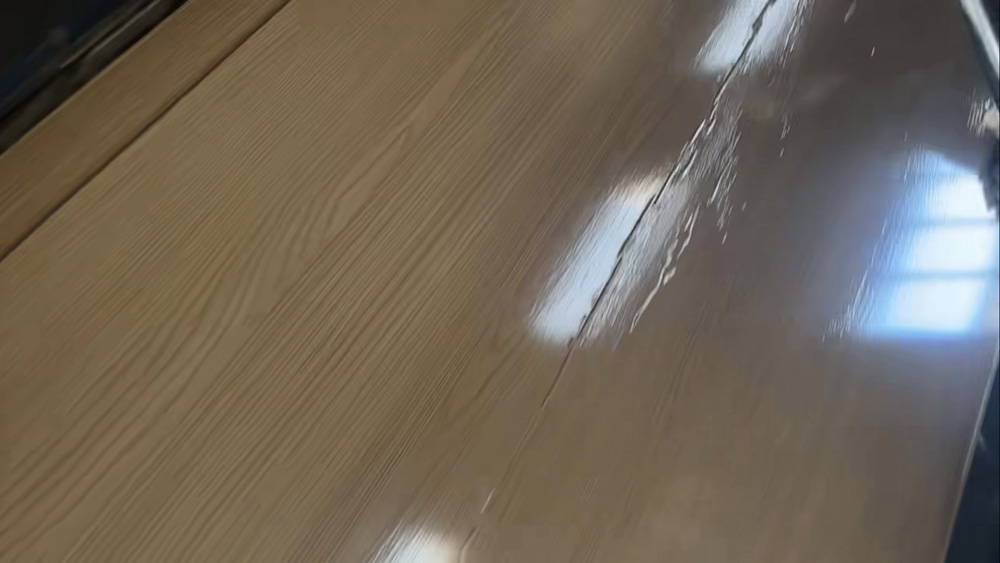
If a small number of bubbles have already appeared, the following methods can be attempted, but with limited effectiveness:
Pricking Bubbles: For very small bubbles, use a fine needle to gently prick the bubble, then press lightly with a soft cloth to expel the air. This method may leave minor marks.
Gentle Heating with a Heat Gun: Using a low heat setting and keeping the heat gun moving at a distance, gently warm the film to slightly soften it. Then, use a soft squeegee to gently push the bubbles towards the edge. Exercise extreme caution as overheating can cause the film to deform or turn white.
Prevention is far superior to remediation. Systematically addressing the adhesive, process, substrate, and film typically resolves PVC decorative film bubbling issues effectively.
We hope this analysis helps you effectively address the issue of bubbles in PVC decorative film. If your application involves specific substrates (such as aluminum or wood-plastic composites) or special shapes (like complex grooves), please provide more details for more specific advice.
To Learn More About Our Products, You Can Download Our Product Catalog:https://www.pvcfilmfactory.com/downloads
