

How to Handle Bending in Wrapped Profiles? Team Value Reveals the Causes and Solutions
In the wrapping process of aluminum or PVC profiles, bending deformation of the finished product is a persistent quality headache for manufacturers. It not only leads to material rejection but also causes precision deviations in subsequent assembly. More often than not, this deformation is not caused by a single factor, but is the combined result of thermodynamic and mechanical imbalance. As a leading decorative film supplier, Team Value has deeply analyzed five core causes of profile bending based on years of on-site service experience and offers corresponding solutions.
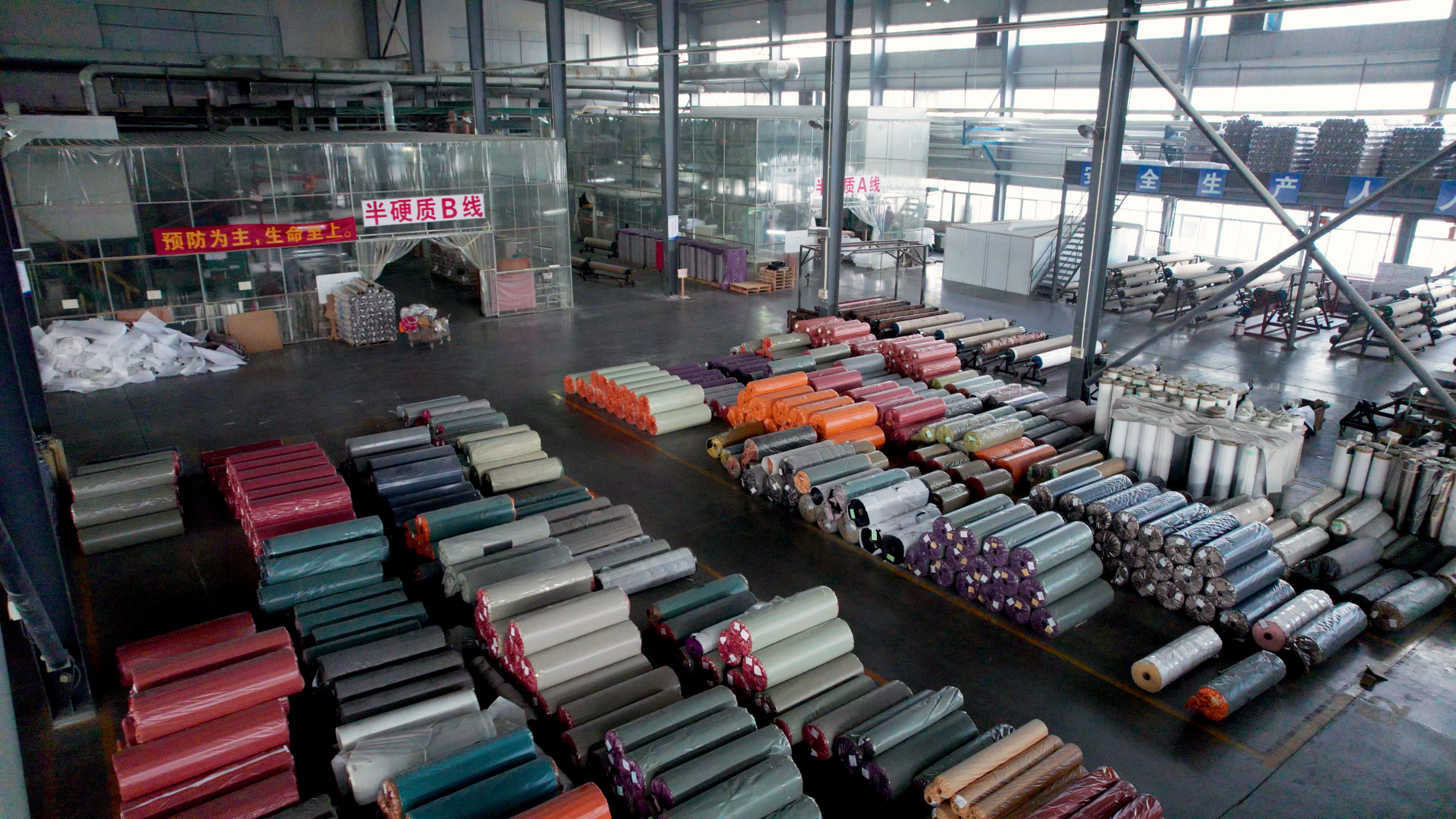
In-depth Analysis: Why Do Profiles "Bend" After Film Wrapping?
First is the imbalance at the critical temperature control point. During the wrapping process, heating of the profile surface must strictly adhere to its Vicat softening critical point. Generally, the instantaneous heating temperature should be controlled at 70℃±2℃. Once this range is exceeded, the internal secondary polymerization density of the heated surface increases sharply during cooling, creating a significant density difference compared to the unheated surface. This difference generates powerful internal stress, directly pulling the profile into a bend toward the heated side.
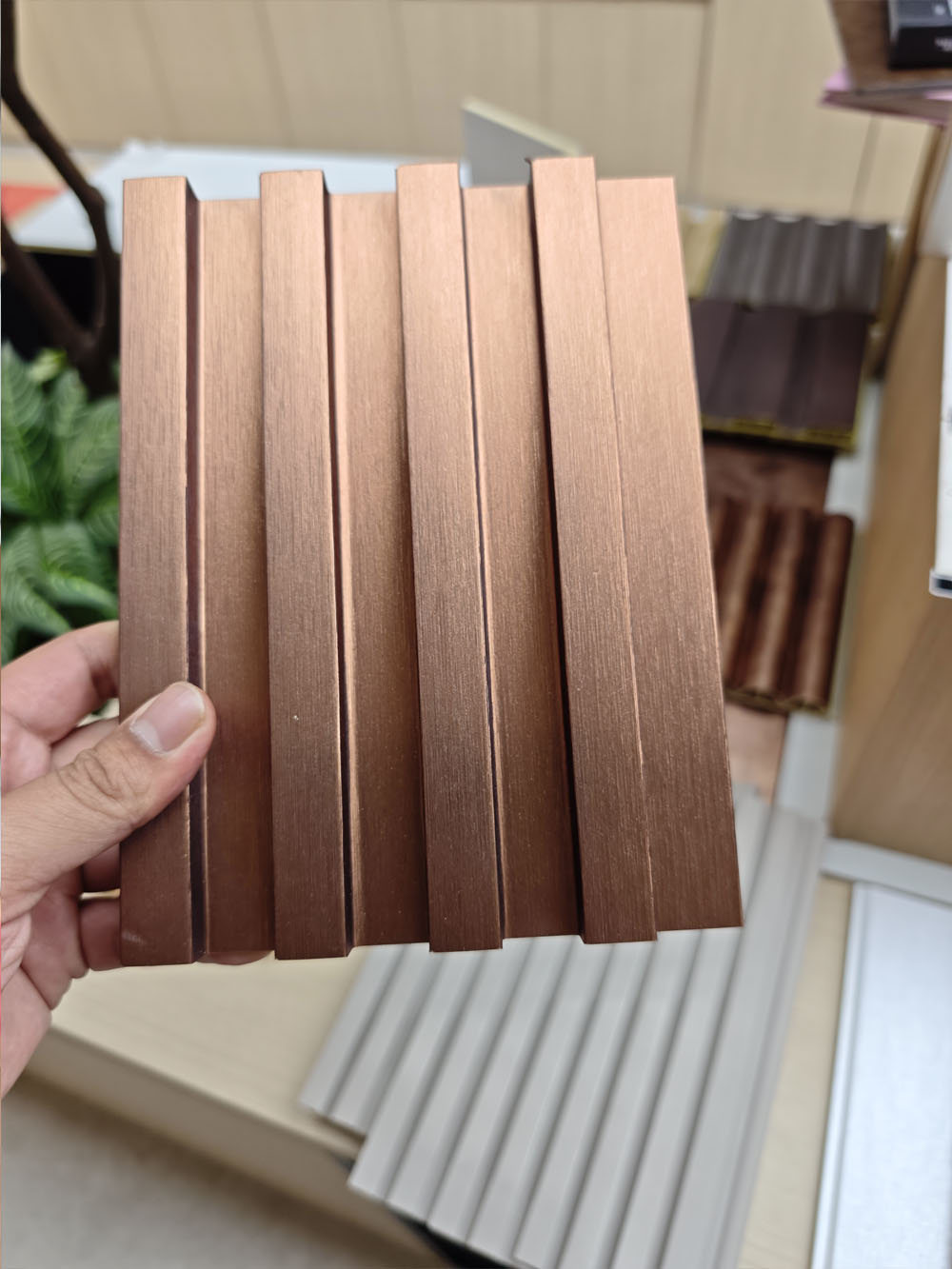
Second is excessive film tension. If the tension is set too high during wrapping, the film will be overstretched. When the process ends and the temperature drops, the stretched film layer attempts to shrink back to its original state. This retraction force transforms into significant internal stress, causing the profile to bend and deform. Therefore, maintaining constant tension is crucial.
Third is the mechanical deviation in wrapping roller positioning. The pressure position of the wrapping roller must comply with the structural mechanics of the profile cross-section. If the position is incorrect, it forces the internal reinforcing ribs to undergo plastic deformation during movement, thereby disrupting the profile's original stress balance system and triggering bending.
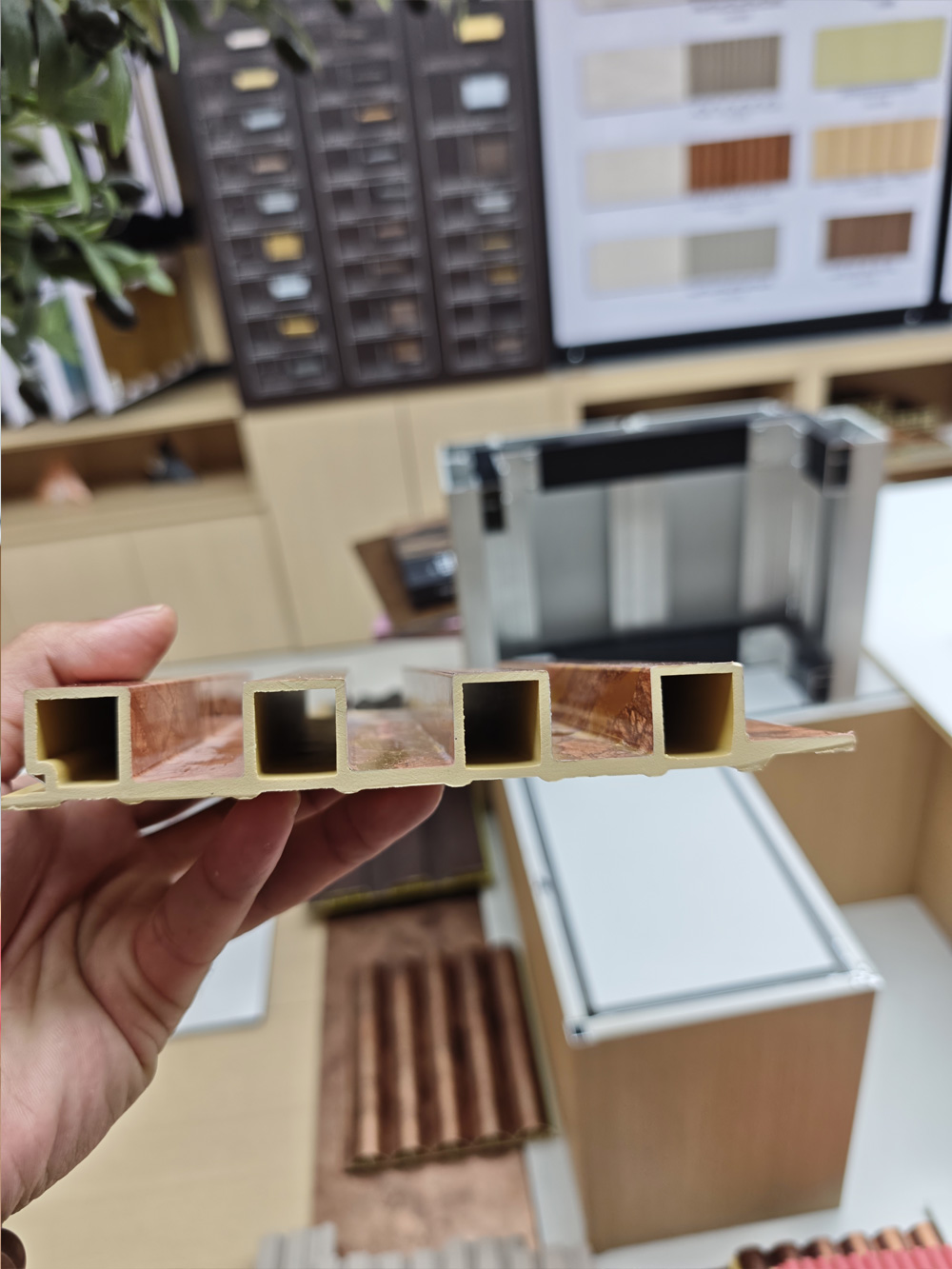
Fourth is inherent defects in the profile substrate. Some profiles suffer from poor stress balance right from the extrusion stage. Under the external forces of wrapping (temperature and pressure), these latent stresses are activated and intensified, ultimately manifesting as deformation.
Finally, there is improper handling and stacking. Profiles are in a heat-sensitive state immediately after wrapping. If they are not kept in a balanced state during handling, or if the stacking method causes uneven stress on the film layer, the film will generate irregular stress during cooling and shrinkage, leading to bending in the finished product.
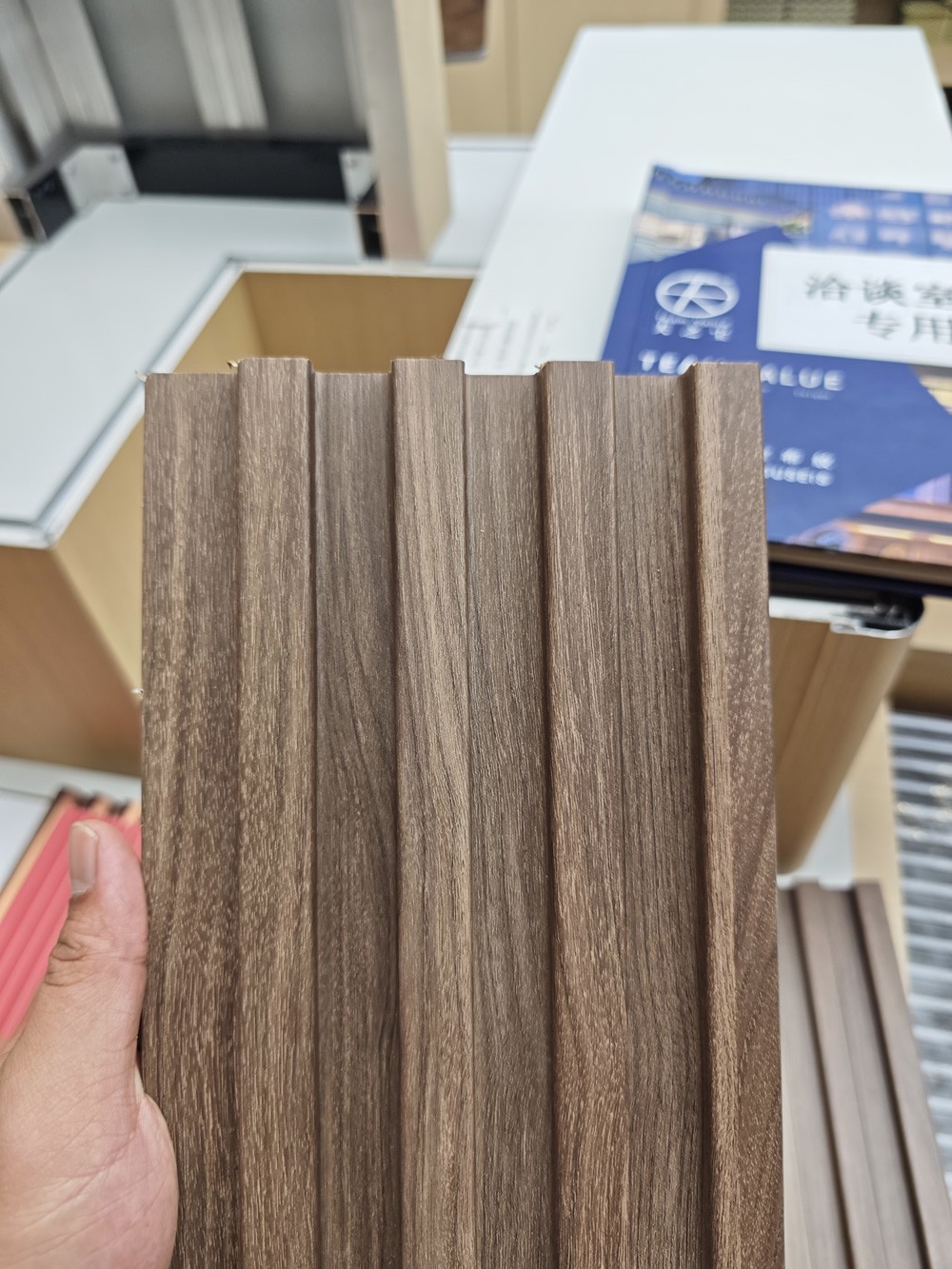
Team Value: Ensuring Straightness from the Source
Beyond helping you troubleshoot these process risks, Team Value provides guarantees from the product source. We understand the importance of dimensional stability for wrapping processes, therefore:
· Excellent Dimensional Stability: Team Value decorative films are optimized with special molecular structures, featuring low elongation and superior rebound control, effectively reducing stress shrinkage caused by temperature changes.
· Precise Thickness Tolerance Control: We use high-precision production lines to ensure uniform film thickness, avoiding uneven heating and tension differences caused by thickness fluctuations.
· Comprehensive Technical Support: We don't just sell products; we also send senior engineers to assist in optimizing your production line parameters and provide customized process recommendations based on your substrate characteristics.
Don't let bending deformation affect your delivery quality. Choose Team Value to keep every profile as straight as new, helping your production advance toward precision manufacturing!
Contact Team Value's technical team today for free process diagnostics and sample testing!
