

2 Hidden Efficiency Killers in the Decorative Panel Industry
In the decorative panel manufacturing sector, many B2B decision-makers fall into a costly misconception: assuming that as long as PVC film specifications match, its performance in vacuum forming and lamination processes should be interchangeable. However, this "one-size-fits-all" mindset often leads to fluctuating yield rates, delayed deliveries, and even client complaints in large-scale production.
Root Cause 1: Mismatched Thermal Elongation and Rebound Control
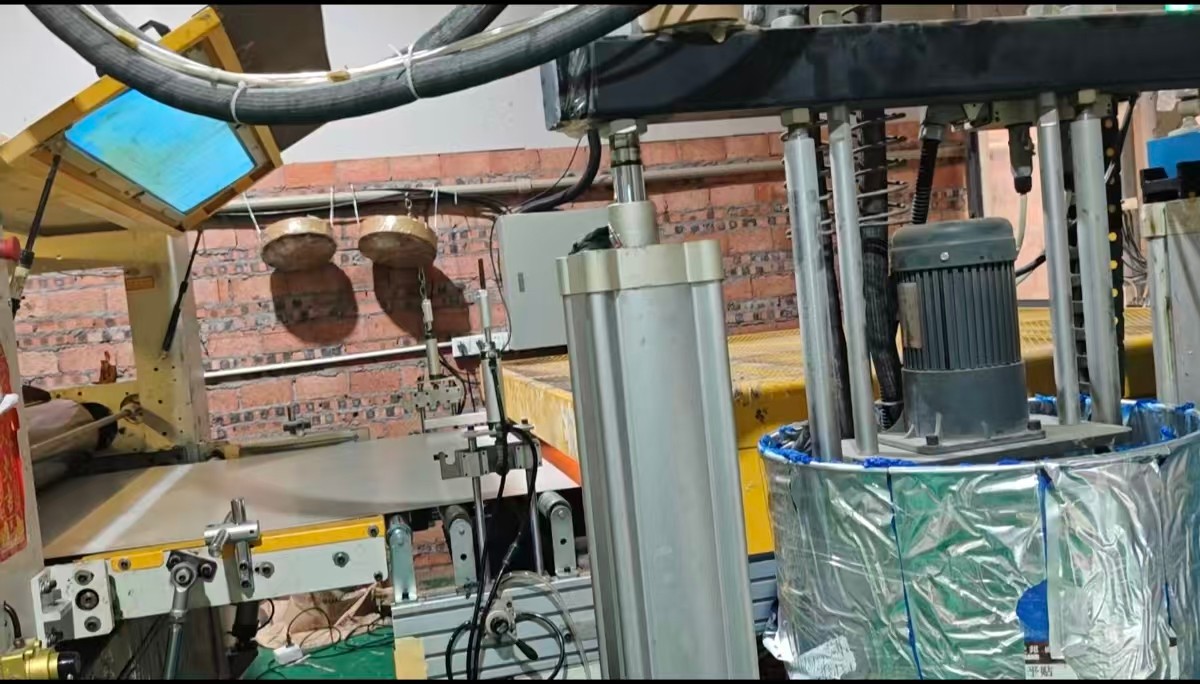
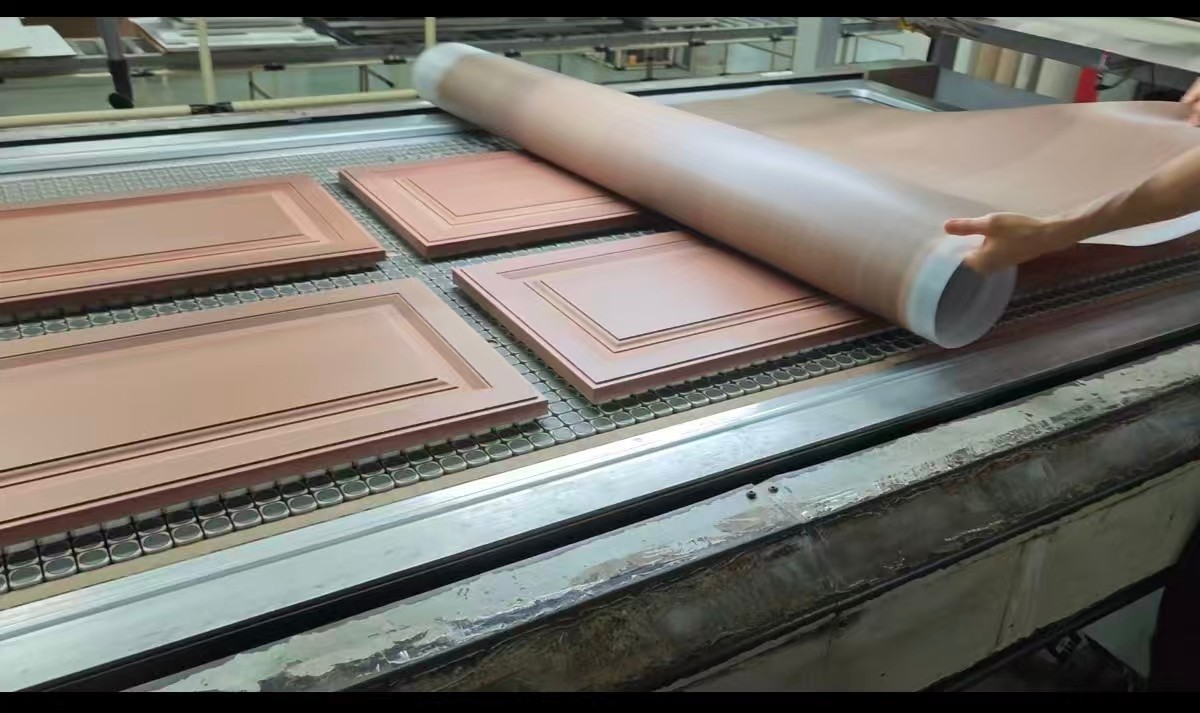
Vacuum forming revolves around heat molding. When PVC film is heated to its softening point and stretched over a mold, it requires exceptional thermal elongation and elastic recovery to maintain structural integrity. Using PVC designed for lamination in vacuum forming often results in uneven stretching, whitening at corners, or even ruptures. This occurs because laminated films prioritize room-temperature flatness and adhesive compatibility, with molecular structures not optimized for high-temperature deformation.
For B2B manufacturers, this translates to frequent machine downtime and waste rates as high as 15-20%. Conversely, applying vacuum-formed PVC to lamination may seem feasible but often causes post-lamination waviness or curling due to its higher shrinkage rate. This material mismatch is the primary source of efficiency loss in production.
Root Cause 2: Invisible Barriers in Surface Treatment and Adhesive Compatibility
Lamination demands precise corona treatment levels (Dyne Level) on PVC surfaces to ensure perfect bonding with adhesives (e.g., water-based or solvent-based glues). In contrast, vacuum-formed PVC prioritizes mold-release efficiency and printability. Mixing these films risks catastrophic defects like delamination or air bubbles during high-speed automated production. Even minor incompatibilities can trigger batch-wide rework, directly eroding profit margins.
Why Choose Us? Trust Built on Technical Excellence
As a specialized B2B brand in polymer materials, we understand the critical need for process-specific reliability. We don’t just sell PVC films—we deliver customized solutions tailored to your production demands.
Precision-Graded Certification
Every PVC roll undergoes rigorous process-specific testing (vacuum forming or lamination). Labels clearly indicate recommended applications, eliminating cross-use risks at the source.
Data-Driven Quality Control
Access real-time Certificate of Analysis (COA) reports for each batch, including key metrics like thermal shrinkage, tensile strength, and surface tension. Transparency ensures quality you can trust.
Technical Co-Pilot Service
Our engineering team offers free pre-production trials and on-site process guidance to optimize your line parameters, slashing efficiency losses to zero.
